Traditional Ecological Knowledge Tour Strengthens Climate Partnerships Across the Pacific
- Climate
- Cook Islands
- Cultural Heritage
- French Polynesia
- Kiribati
- Solomon Islands
As part of Australia now: Pacific edition, celebrating the deep cultural connections between Australia and Pacific partners, Australia will deliver a Traditional Ecological Knowledge (TEK) Tour across French Polynesia, Solomon Islands, Cook Islands and Kiribati between October and November 2026.
The tour will bring two Australian First Nations experts to the region to connect with Pacific scientists, community leaders and Traditional Knowledge holders, sharing and learning from Indigenous knowledge systems that have supported communities for generations.
Building on a successful pilot program in Tonga, Samoa and New Zealand in 2025, the tour will explore shared approaches to climate change adaptation, marine science, biodiversity and environmental conservation. Through workshops, discussions and community engagement activities, participants will exchange knowledge, strengthen relationships and identify opportunities for future collaboration.
The program reflects Australia’s commitment to working alongside Pacific partners on climate and environmental challenges. By bringing together Indigenous and Traditional Knowledge holders, scientists and local communities, the tour will support practical, community-led responses to climate impacts while promoting mutual learning and respect.
The tour is designed to create lasting connections. Following the program, participants are encouraged to explore opportunities for continued collaboration through mentorship, research partnerships and professional exchanges. The International Science Council Regional Focal Point for Asia and the Pacific, hosted by the Australian Academy of Science, offers a range of grant opportunities that may support future collaborations arising from the tour.
By fostering stronger people-to-people links and scientific collaboration, the TEK Tour highlights the valuable role of Indigenous and Traditional Knowledge in addressing environmental challenges and building a more resilient Pacific. The initiative demonstrates Australia’s commitment to respectful partnerships, regional cooperation and working with Pacific communities to support a sustainable future.
First Nations Australian Experts
Dr Mitch Gibbs
Geoscientist, Postdoctoral Researcher and Lecturer
2025 Australian Academy of Science Aboriginal and Torres Strait Islander Scientist Award Winner
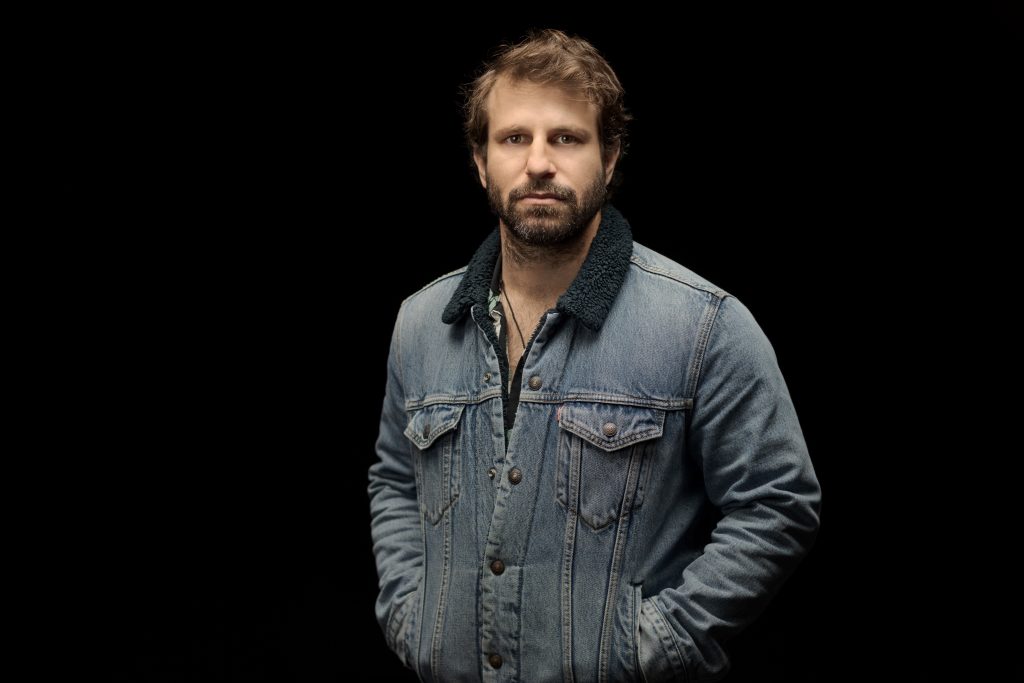
Dr Mitchell Gibbs is a Dunghutti man through kinship and postdoctoral researcher in geosciences at the University of Sydney, working at the intersection of Traditional Knowledge and Western science to restore shellfish reefs and reimagine coastal management. Raised near Willawarrin in the Dunghutti nation, he has spent years in conversation with Elders along Australia’s eastern coast, drawing on oral histories and Traditional Ecological Knowledge to develop community-driven approaches to oyster reef restoration in Gamay (Botany Bay). His work with the Gamay Rangers and La Perouse Local Aboriginal Land Council has demonstrated how centring Indigenous communities — not consulting them — produces more durable and meaningful restoration outcomes. In 2025, Dr. Gibbs received the Australian Academy of Science Aboriginal and Torres Strait Islander Scientist Award.
Tiahni Adamson
Wildlife conservation biologist
South Australia’s 2024 Young Australian of the Year
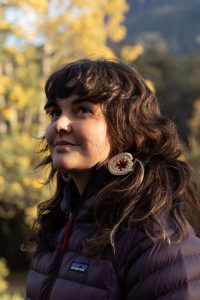
Tiahni Adamson is a proud Kuareg woman, wildlife conservation biologist and advocate for First Nations Australians and women in STEM. She is the National Aboriginal and Torres Strait Islander Engagement Manager at Bush Heritage Australia, where she leads partnerships with First Peoples to deliver culturally grounded conservation outcomes and protect Healthy Country.
Tiahni’s work spans conservation science, climate action, Traditional Ecological Knowledge, science communication and community engagement. A recognised leader in the environment and climate sector, she has worked to strengthen connections between Indigenous communities, government and environmental organisations, and continues to champion the role of Indigenous knowledge in environmental stewardship.
Tiahni was named South Australia’s 2024 Young Australian of the Year and has been nationally recognised for her contributions to conservation, climate action and Indigenous leadership. Through her work, she helps bring Indigenous perspectives and two-way learning into environmental conversations and decision-making.
Images: Bella Laifoo and Australian Volunteers Program.